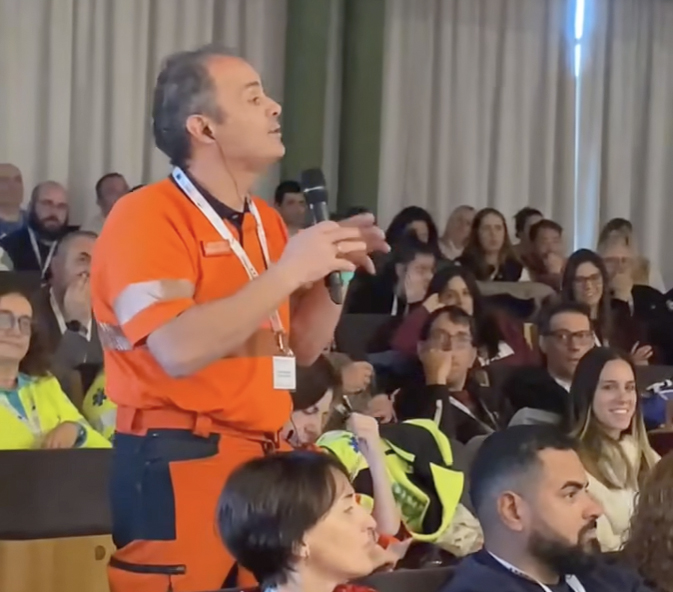
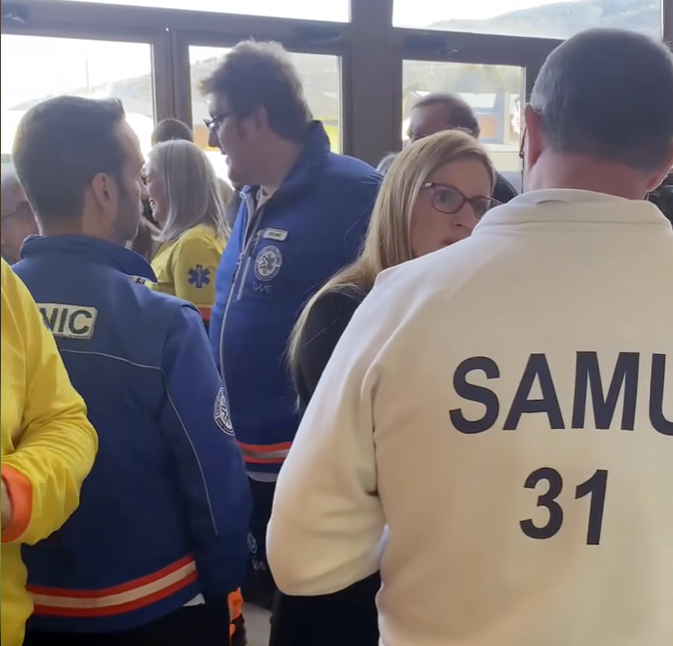
The Alt Pirineu Emergency Day in Cerdanya, organized by the Sistema d’Emergències Mèdiques (SEM) and the AECT-Hospital de Cerdanya, has brought together healthcare professionals from different Pyrenean regions to share experiences, strengthen coordination and improve the care provided to polytraumatized patients who require hospitalization outside the hospital in mountain and cross-border settings.
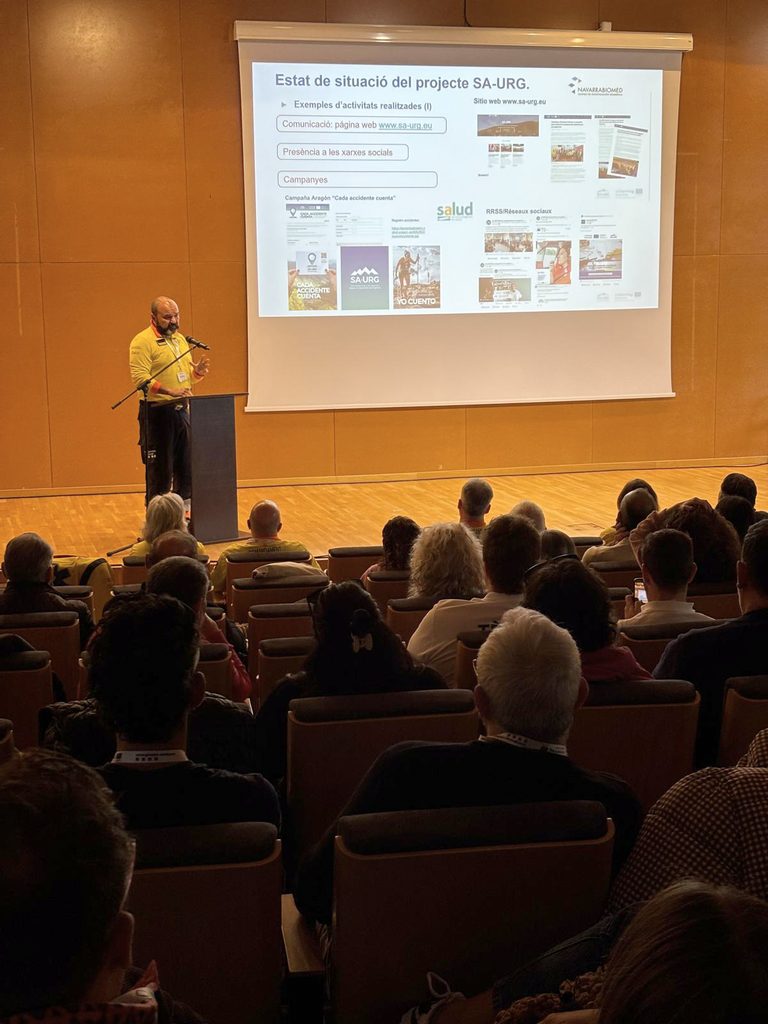
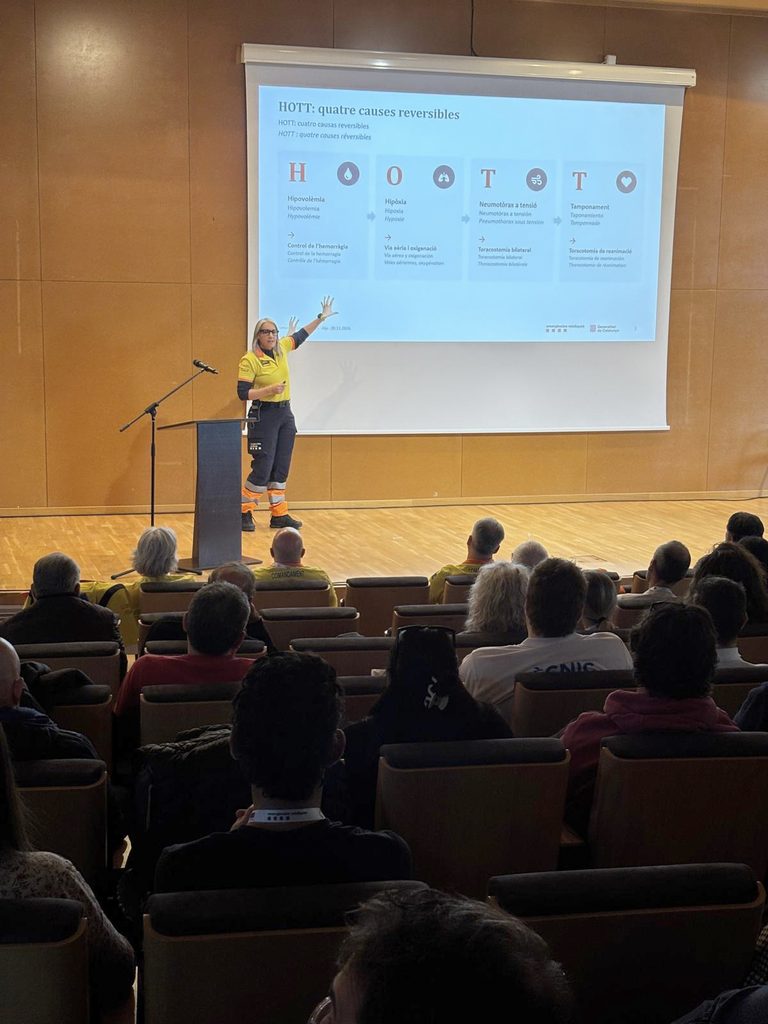
Around 200 healthcare professionals from different Pyrenean regions have gathered in Alp (Cerdanya) as part of a new activity of the SA-URG European project, an initiative funded by the Interreg POCTEFA program that works to improve emergency and disaster care in mountain areas and cross-border territories.
The Alt Pirineu Emergency Day in Cerdanya, organized by the Sistema d’Emergències Mèdiques (SEM) and the AECT-Hospital de Cerdanya, has served as a space for exchange between professionals from both sides of the border to share experiences, update knowledge, and strengthen the coordination of care for patients with polytrauma who are not admitted to the hospital.
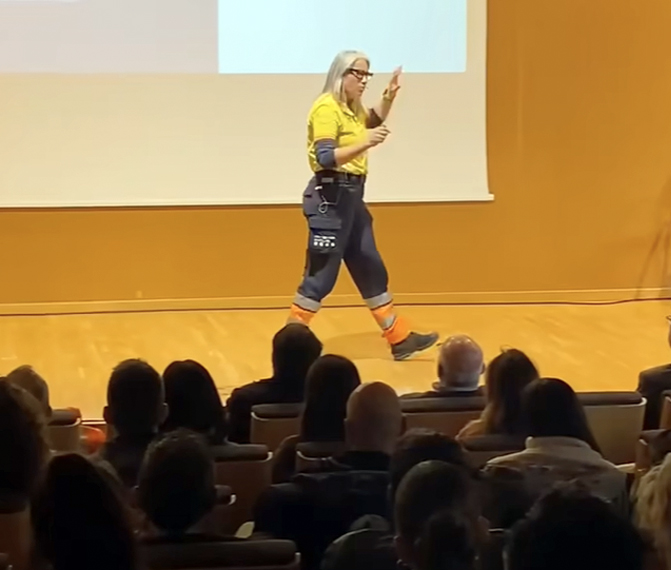
Throughout the day, presentations, case presentations and practical workshops were held aimed at improving emergency care in mountainous and border areas. The sessions addressed issues such as the progress of the SA-URG project, the specificities of assisting polytrauma patients in the natural environment, and the management of traumatic cardiac arrest.
In addition, professionals from different emergency services have shared experiences and case studies from different Pyrenean regions, including the Puigcerdà base of the Emergency Medical Service (SEM) and the AECT-Hospital de Cerdanya, the 66th SAMU from Perpiñán, Viella Aran Salut and the 64th SAMU from Bayona.
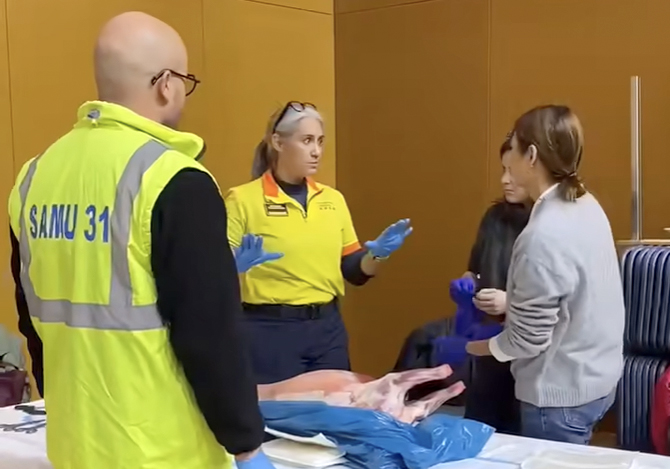
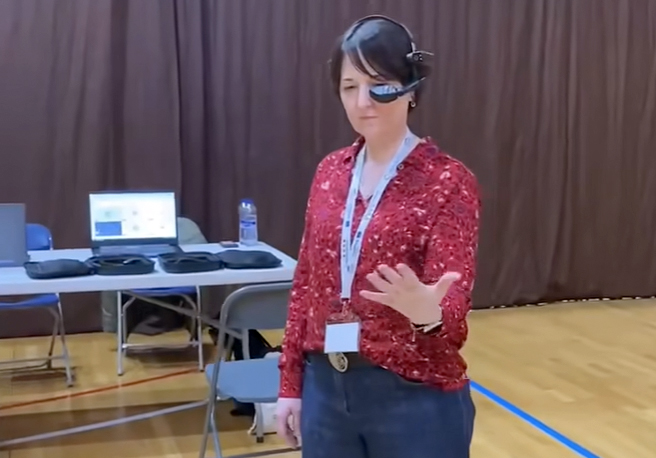
The afternoon session was dedicated to eminently practical workshops on invasive techniques in polytraumatized patients, pediatric immobilization, control of bleeding, management of incidents involving multiple victims, psychological support in emergencies, treatment of hypothermia, and technological simulation tools applied to professional training.
Moving towards a coordinated cross-border response
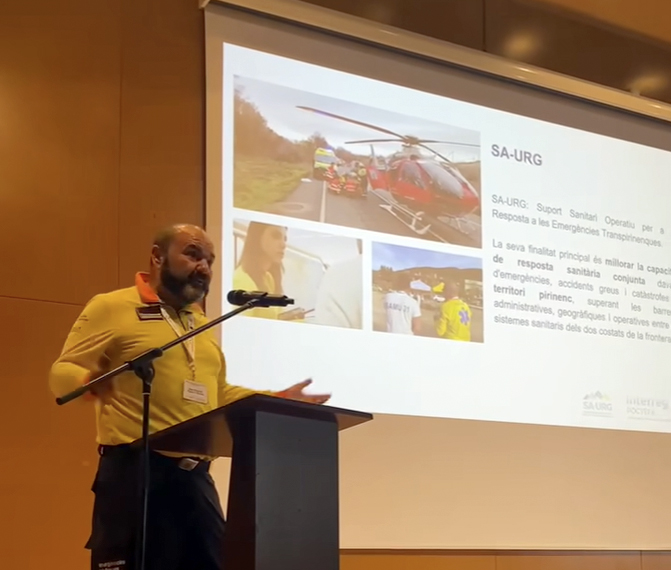
The SA-URG project aims to strengthen health cooperation between Spain and France to improve the response to emergencies, multi-victim incidents and disasters in the Pyrenean territory. To this end, it works on developing common operational procedures, improving coordination between the different emergency services and implementing new tools that allow for a joint, agile and effective response on both sides of the border.
Among its main lines of work are the definition of shared protocols for care in mountainous environments and in difficult-to-access areas, the training and deployment of a mobile cross-border healthcare team, the incorporation of digital tools, and the promotion of research, innovation, and advanced clinical simulation activities.
The day held in Alp also served to highlight the advances achieved in recent years in cross-border cooperation. Among them is the signing of the International Administrative Agreement, which establishes the legal framework for teams and healthcare professionals to intervene outside their usual territory when the situation requires it, facilitating a faster and more coordinated response on both sides of the Pyrenees.
Furthermore, the meeting has allowed for the sharing of experiences and the continued strengthening of working relationships between institutions and professionals who, from different regions, collaborate to offer more effective and homogeneous care to citizens in an environment that is particularly complex due to its geographical characteristics and accessibility issues.
With initiatives like this, SA-URG continues to consolidate a trans-Pyrenean health cooperation network aimed at improving emergency preparedness and response capacity, favoring a more coordinated, efficient, and safe care for mountain populations and border territories.